The Impact of Nutrition and Habitat on Antler Development
The Impact of Nutrition and Habitat on Antler Development: A Biological Reality for B2B Buyers
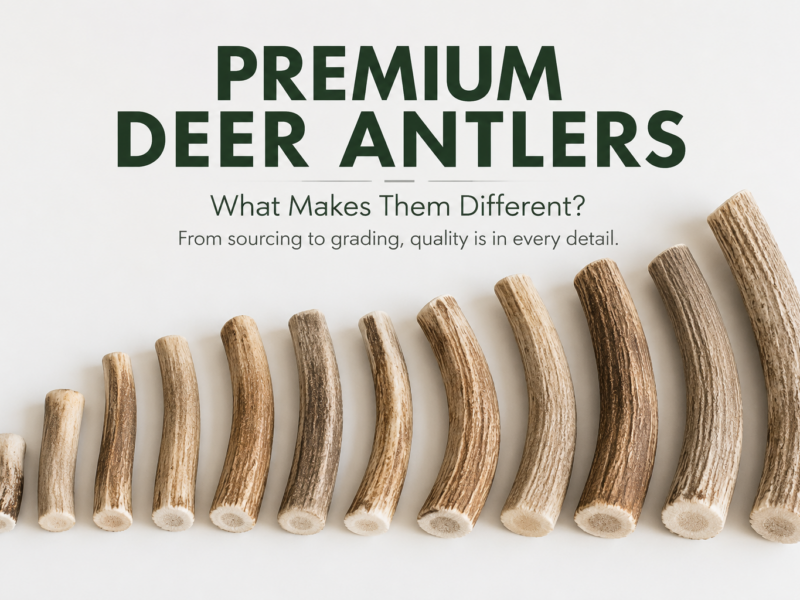
Natural materials do not come off an assembly line. This is a fundamental truth that every professional buyer in the pet industry must accept. When sourcing natural dog chews, the expectation of absolute uniformity is not just unrealistic. It is a profound misunderstanding of deer antler development.
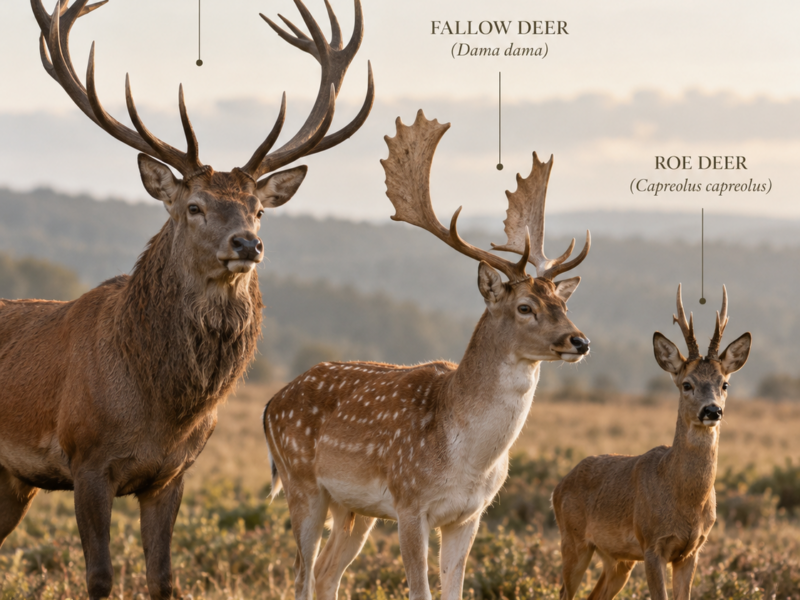
To build a resilient supply chain, buyers must understand what actually drives the physical characteristics of the material. Deer antler development is governed by a complex physiological interplay. Extensive wildlife biology research demonstrates that antler composition reflects a multifaceted combination of early-life maternal nutrition, overall physiological growth rate, dietary protein intake, and seasonal systemic bone mobilization.
There is a persistent myth in the trade that the mineral content of a specific European forest directly dictates the final hardness or density of an antler. The reality is far more nuanced. While a diverse foraging environment provides the essential foundation for healthy growth, the soil chemistry does not act as a direct manufacturing dial. The animal’s biology mediates this process entirely.
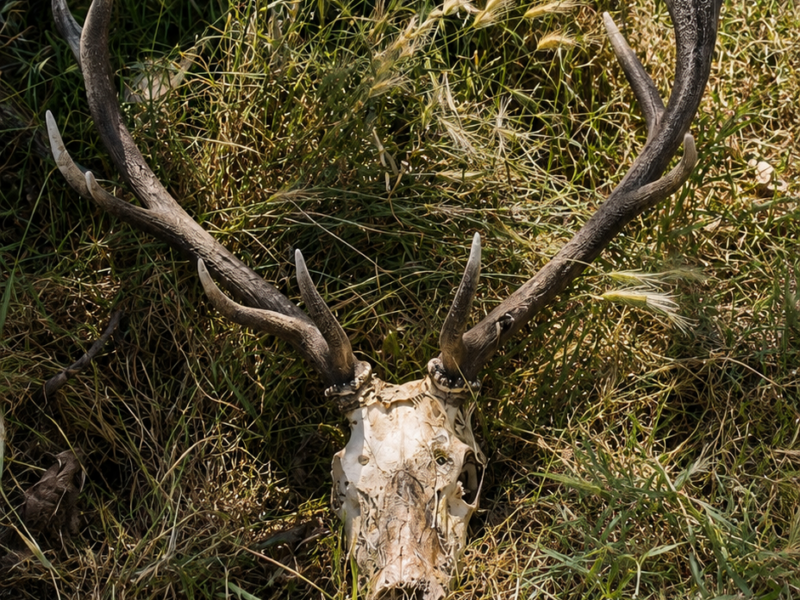
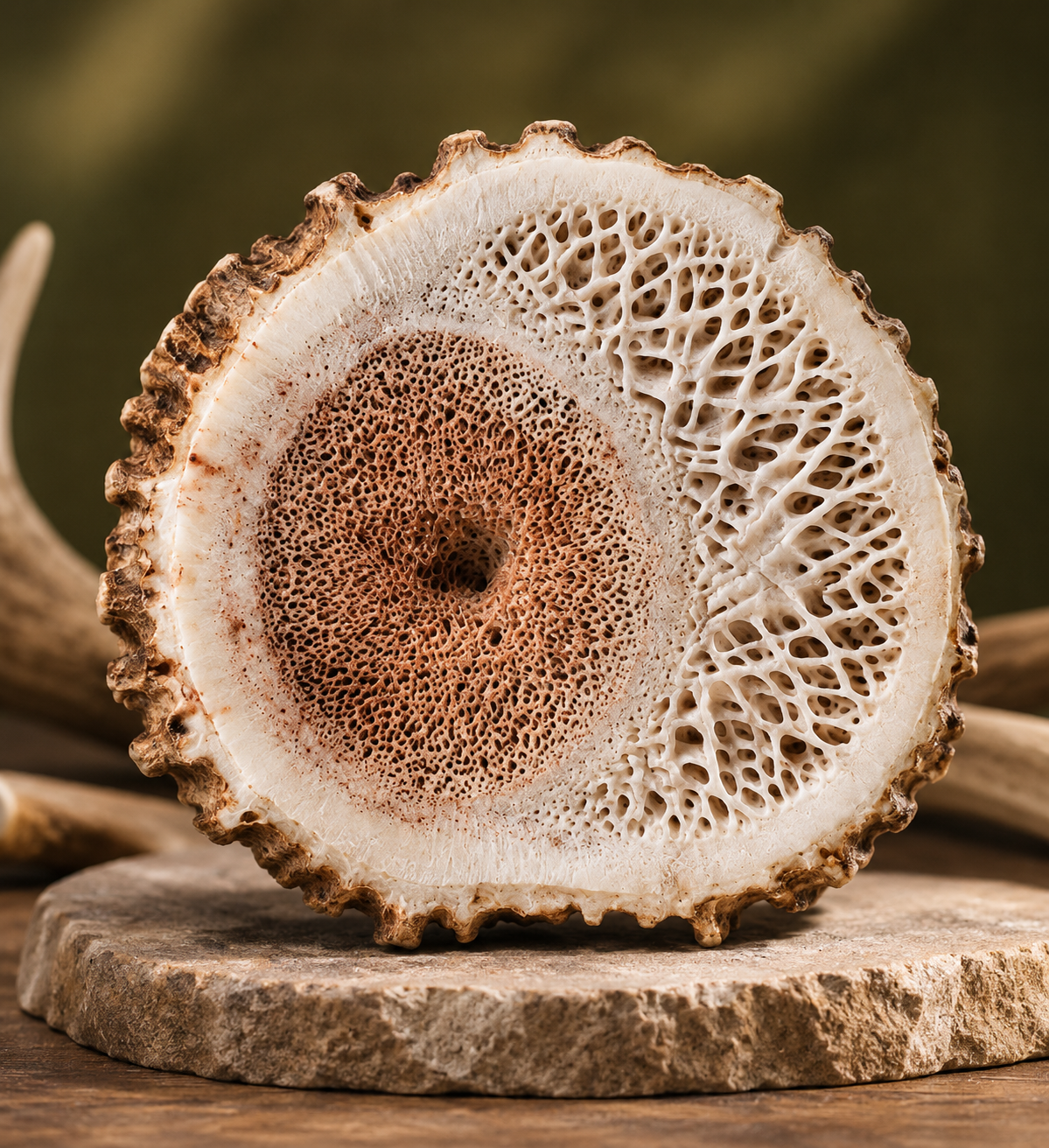
Furthermore, age and physiological weight dependencies play a critical role in material quality. A stag’s body weight, skeletal development, and overall health status during the active growth cycle directly regulate the proportion of major minerals, such as calcium and phosphorus, deposited in the antler bone tissue. The mineral concentrations and mechanical properties change dynamically along the growth axis. An older, mature stag in robust health will naturally develop a different structural matrix than a younger animal facing environmental stress.
What Professional Buyers Should Verify
When evaluating a natural chew supplier, move beyond glossy brochures. Ask specific questions about their grading methodology. How do they account for natural variation in their quality control process? Do they understand the biological factors that influence deer antler development? The answers to these questions will separate a true operational partner from a simple broker selling a story.
A reliable supplier does not promise that every antler is identical. That is a marketing fiction. A reliable supplier explains the natural variation, grades the material transparently based on objective physical criteria, and ensures that every piece meets the structural integrity required for safe consumer use. True quality in natural materials is not about erasing nature’s fingerprint. It is about understanding it, respecting it, and managing it with absolute professional competence.
For more details on our grading standards, review our Product Specifications Guide or explore our full range of natural deer chews.
Source reference for further reading: Landete-Castillejos et al., Wildlife Biology Journal, on the physiological regulation of antler mineralization.